

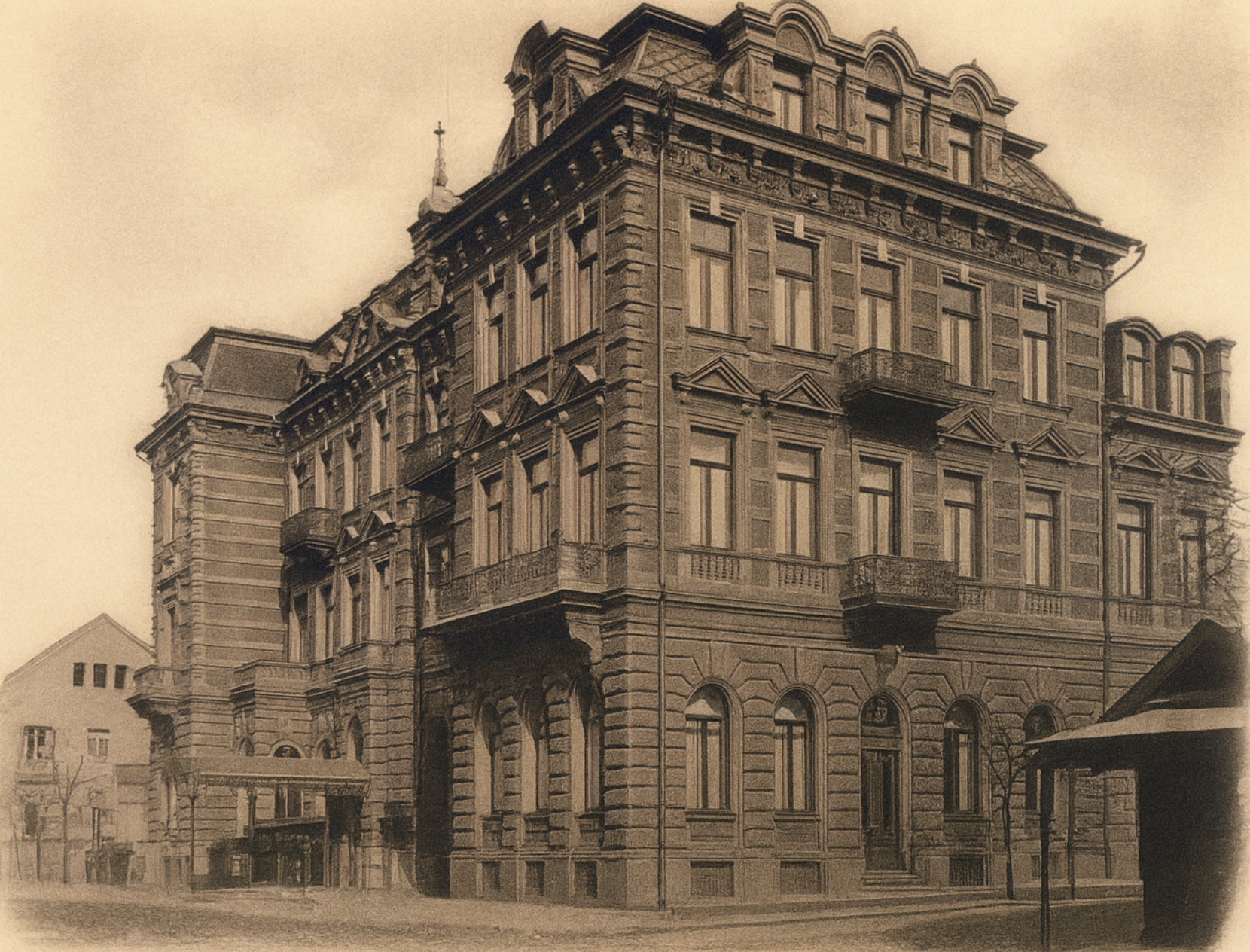

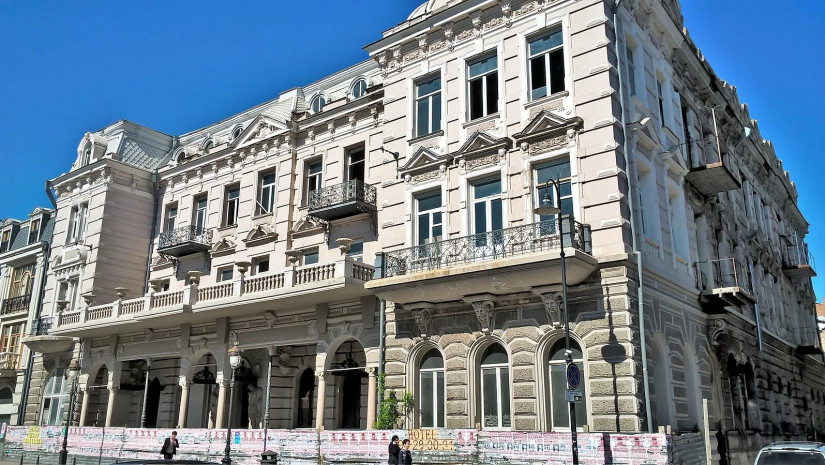
At 103 Davit Aghmashenebeli Avenue, in the very heart of Tbilisi, a long-abandoned building is reclaiming its former glory. After 140 years, Hotel Wetzel is set to be revived and will join the Landmarker Group as a prestigious destination rooted in cultural heritage and modern hospitality.
A History Rewritten
Built in 1880, Wetzel was the first building in Tbilisi constructed specifically as a hotel. Designed by German architect Leopold Bielfeld and founded by local German entrepreneur Friedrich Wetzel, the hotel stood apart from others of its time, which were typically converted mansions. Wetzel was a fully-fledged commercial infrastructure – featuring electricity, central heating, an elevator, a private garden, and even a theater.
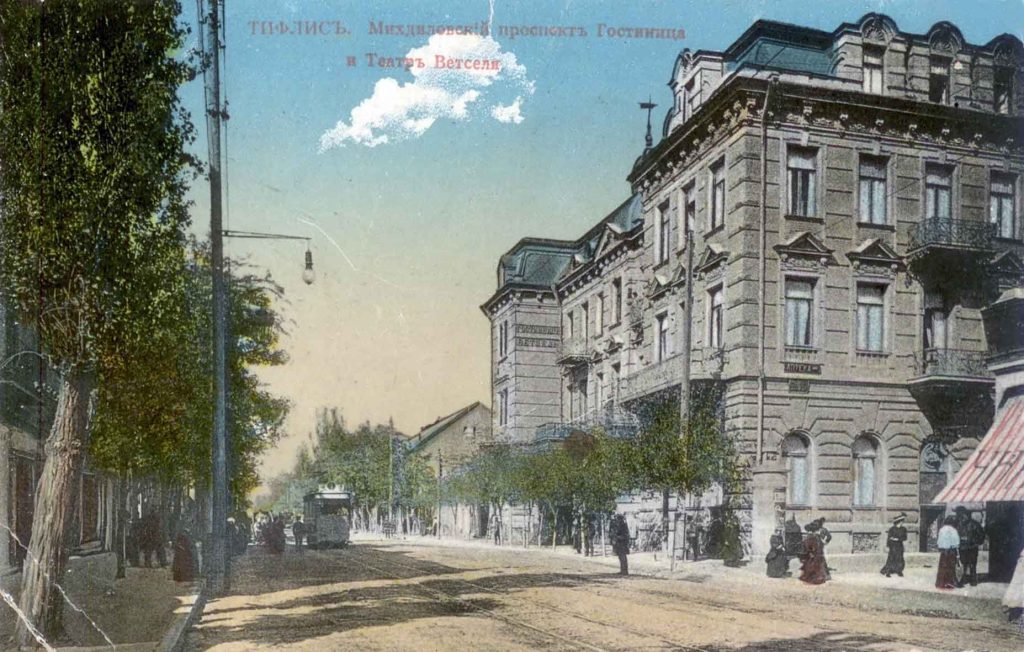
By the early 20th century, it had earned a reputation as “the most luxurious hotel in Tbilisi.” It welcomed European travelers, merchants, military officers, and dignitaries. Weddings, concerts, theatrical performances, and receptions were regularly held here, making Wetzel a cultural and social landmark on the city’s map – where international guests and local elites gathered in one elegant setting.
A Cultural Hub and Civic Landmark
Wetzel was far more than a place to stay. Its left wing housed a theater that hosted frequent performances, concerts, and cultural events – attracting artists, intellectuals, and aristocrats alike. During the summer months, its garden transformed into a concert venue for the city’s opera orchestra, while one of its restaurants — decorated in a traditional German style – later became a standalone venue called “Germania.”
The three-story U-shaped building, adorned with Baroque elements, was among Tbilisi’s architectural highlights of its era. Sculptures of Hermes embellished its façade, while artificial grottoes were later added to the interior – theatrical decorative touches that embodied a spirit of elegance and surprise.
A Multilayered Legacy
Following Friedrich Wetzel’s death in 1904, the hotel remained operational under his son before changing hands multiple times. Throughout the 20th century, the building bore several names – Noe, Europa, and Rustavi – reflecting the city’s shifting historical and political landscape. Eventually, in the 1970s, it ceased operations and was repurposed by various state institutions.
Despite decades of silence, Wetzel is still officially recognized as a cultural heritage monument and remains a vital example of historic architecture in the capital.
A New Chapter with Landmarker Group
Today, this unique building is entering a new chapter – it is listed among Landmarker Group’s upcoming projects. The same team that brought new life to Gudauri’s leading hotels – Marco Polo and Alpina – and revitalized historic structures in the heart of Tbilisi with Puris Moedani Boutique Hotel, now turns its attention to Wetzel.
With Landmarker Group’s vision and track record of blending history with refined modernity, Wetzel is poised to once again become a symbol of elegance and distinction in the city where it all began.